Best Ways to Silver Investing in India 2026 Price & Benefits
Silver has always taken a special place in the world of investments. In contrast to gold, silver is not only a store of value, but a very important industrial metal needed in electronics, solar panels, electric vehicles, and medical equipment. This dual requirement is such that the value of silver is very sensitive to changes in economic cycles, inflation, advancement of technology, and world supply limitations.
Indian investors have found a new interest in silver investing in recent years as a way of diversification beyond equities, real estate and gold. Yet, silver investment opportunities are not the same. Others are transparent, liquid and efficient, whereas others are associated with hidden expenses, tax inefficiency, and storage risks.
The best to worst methods of investing in silver are put down in this blog according to returns, safety, liquidity, taxation, 1 gram silver rate today, silver rate graph, and long-term wealth creation capability. This guide will assist you in selecting the best silver investment strategy regardless of whether you are a novice or an expert investor.
Why Invest in Silver?
Before making investment methods ranking, one should know why silver should be included in a portfolio.
- Performs the role of inflation and currency devaluation insurance.
- The advantages of the increasing industrial demand, particularly renewable energies.
- Cheaper than gold and thus can be accumulated over time.
- Historically has acute rallies when there is economic uncertainty.
In the short run, appreciation of silver is very volatile but over longer durations, silver has provided significant returns in the inflationary periods and also during booms of growth. As of December 29, 2025, 1 gram silver rate today in India is ₹250-₹258 approximately.
Best Ways of Silver Investing
1. Silver ETFs (Best Option)
Silver ETFs are the most efficient and transparent way to invest in silver. These exchange-traded funds invest in physical silver and track domestic or international silver prices.
Why Silver ETFs Rank #1?
- No storage or purity concerns
- High liquidity with real-time trading
- Lower costs compared to physical silver
- Regulated and transparent structure
The ETF silver price movements closely mirror spot silver prices, making them ideal for both short-term traders and long-term investors.
Who Can Invest?
Investors seeking hassle-free silver investing with high liquidity and low tracking error.
Example: If silver prices rise by 10 percent, the silver ETF share price usually reflects a similar appreciation, minus minimal expense ratios.
2. Physical Silver (Coins, Bars, Jewellery)
Physical silver is the most traditional and emotionally appealing form of investment. It includes silver bars, coins, and jewellery. As of December 29, 2025, 1 gram silver rate today in India is ₹250-₹258 approximately.
Advantages
- Tangible asset with no counterparty risk
- Useful for gifting and cultural purposes
- Acts as a long-term store of value
Disadvantages
- Making charges and GST increase acquisition cost
- Storage and security risks
- Lower resale value due to impurities and wear
Best Use Case
Long-term investors who value physical ownership and are willing to hold silver for decades.
3. Digital Silver Platforms
Digital silver allows investors to buy silver online in fractional quantities, stored in vaults by service providers.
Pros
- Low entry barrier
- No physical storage at home
- Easy buying and selling
Cons
- Counterparty risk
- Platform dependency
- Regulatory clarity still evolving
Digital silver is suitable for small investors but should not form a large portion of long-term wealth due to regulatory uncertainties.
4. Silver Futures and Options
Silver futures are derivative contracts traded on commodity exchanges. These are highly leveraged instruments.
Benefits
- Suitable for short-term trading
- Capital-efficient due to leverage
- Useful for hedging price risk
Risks
- High volatility
- Margin calls and potential capital loss
- Not suitable for beginners
Silver investing through futures is strictly for experienced traders with strong risk management systems.
5. Silver Mining Stocks
Instead of investing directly in silver, investors can buy shares of companies involved in silver mining.
Advantages
- Potential for higher returns during silver bull markets
- Dividend income in some cases
Drawbacks
- Company-specific risks
- Operational and geopolitical risks
- Stock market volatility impact
Mining stocks often underperform or outperform silver prices depending on management efficiency and global conditions.
6. Silver Jewellery (Worst Investment Option)
Silver jewellery is the least efficient way of investing in silver.
Reasons It Ranks Last
- High making charges
- Low resale value
- Treated more as consumption than investment
Silver jewellery should be viewed as a lifestyle purchase, not an investment vehicle.

Taxation of Silver Investments in India
Investment Type | Tax Treatment |
Silver ETF | Capital gains tax |
Physical Silver | Capital gains tax |
Digital Silver | Capital gains tax |
Futures Trading | Business income |
Jewellery | Capital gains tax |
Long-term capital gains apply if held beyond the prescribed holding period, with indexation benefits where applicable.
Best to Worst Silver Investment Options
Investment Option | Liquidity | Cost Efficiency | Risk Level | Best For |
Silver ETF | High | Very High | Medium | Long-term investors |
Physical Silver | Medium | Medium | Low | Traditional investors |
Digital Silver | Medium | Medium | Medium | Small investors |
Silver Futures | Very High | High | Very High | Traders |
Mining Stocks | High | Medium | High | Aggressive investors |
Silver Jewellery | Low | Low | Low | Consumption |
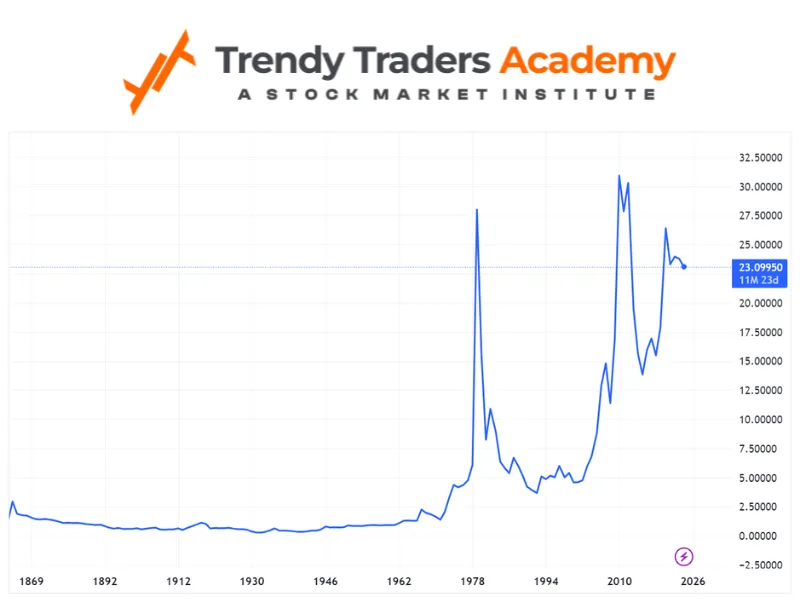
Silver Rate Graph
The silver rate graph is graphical; it is a visual representation of the way the silver prices change over a period of time, whether it is daily, monthly or over a few years. It assists investors in comprehending the trends in price, volatility of prices and the important support or resistance levels. Using the graph, it is possible to determine whether silver is on an uptrend, down trend or moving sideways and this is useful when it comes to timing an investment and monitoring the mood in the market.
To long-term investors, the silver rate graph will provide the effect of silver to such factors as inflation, currency exchange, industrial demand and international economic events. The graph is also an invaluable resource of informed silver investment decisions as it is also helpful to compare historical price changes and assess the potential growth and risk of silver.
Factors That Influence Silver Prices
- Global industrial demand
- Inflation and interest rates
- US dollar strength
- Geopolitical uncertainty
- Renewable energy growth
Understanding these appreciation of silver drivers helps investors time accumulation and avoid emotional decisions.
How Much Silver Should You Allocate?
Most financial planners recommend allocating 5–10 percent of a diversified portfolio to precious metals, including silver and gold combined. Silver should complement equities, not replace them.
Common Mistakes in Silver Investing
- Buying jewellery as an investment
- Overexposure due to short-term price rallies
- Trading derivatives without experience
- Ignoring tax implications
Conclusion
Silver can exert a potent influence on portfolio diversification in proper circumstances. Of all the options, silver ETFs appear to be the most appropriate method of investing in silver because they are the most transparent, liquid, and cost-effective ones. Physical silver is second among long-term holders, and the digital silver and mining stocks are appropriate to the niche investors.
There must be restrictions on futures trading to professionals and silver jewellery can never be viewed as an investment. Silver is not a speculative investment and its value is pegged on the cycles of economic growth and inflation. Appreciation of silver has a special two-sidedness nature that can be beneficial to investors who treat it with discipline, clarity, and proper instruments in the long run.
FAQ'S
Is silver ETF a good investment in India?
Yes, silver ETFs offer a regulated, liquid, and cost-efficient way to invest in silver.
How does silver ETF price work?
Silver ETF price tracks domestic or international silver prices minus expense ratios.
Is physical silver better than digital silver?
Physical silver offers ownership, while digital silver offers convenience. ETFs are superior to both.
Can silver outperform gold?
Appreciation of silver can outperform gold during strong industrial demand cycles but is more volatile.
Is silver investing safe for beginners?
Yes, beginners should start with silver ETFs rather than physical or derivative instruments.
What is the 1 gram silver rate today in India?
As of December 29, 2025, 1 gram silver rate today in India is ₹250-₹258 approximately.